
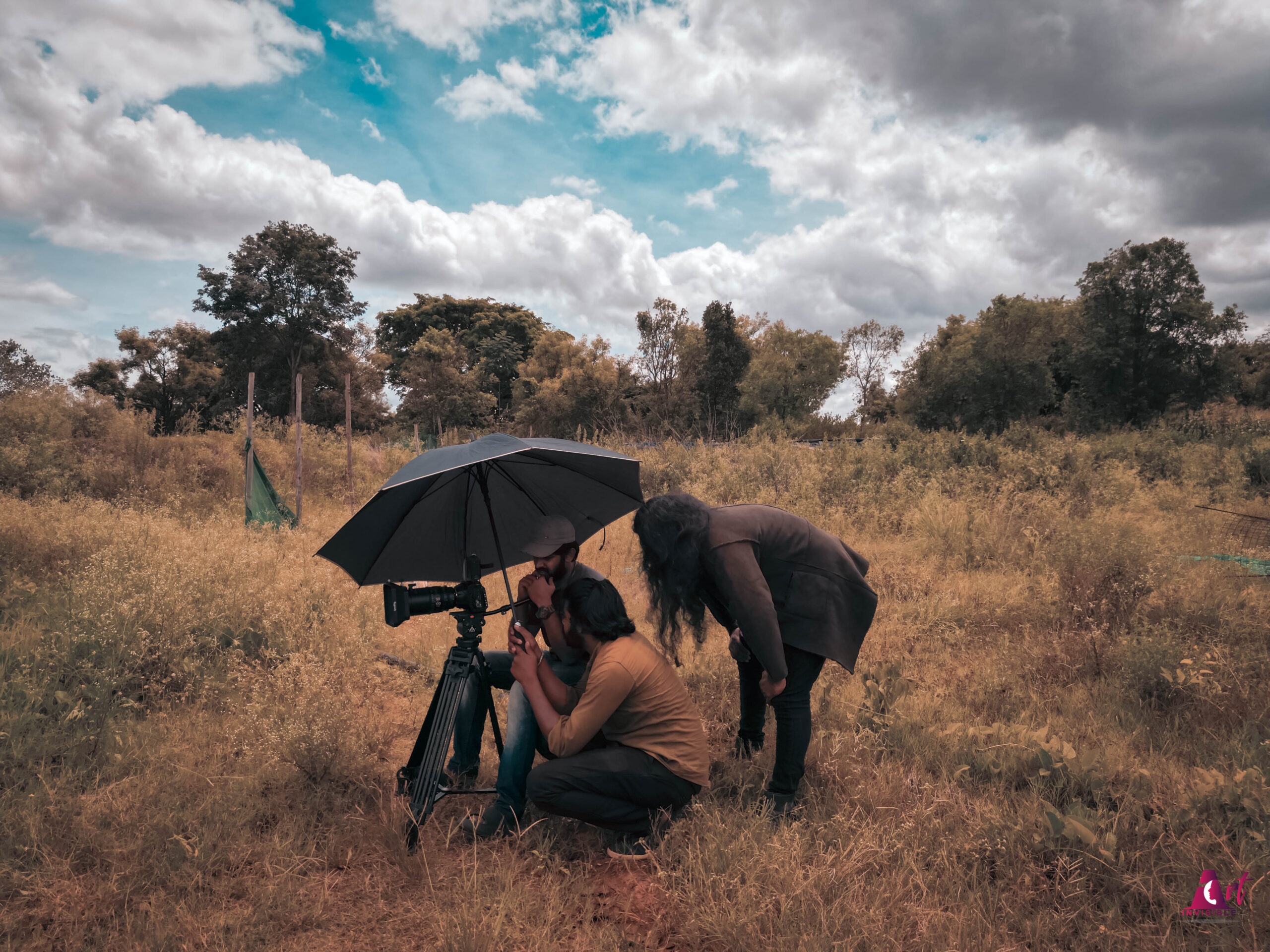

🎥 Cinematography: The Art of Visual Storytelling That Moves the World
Cinematography isn’t just about beautiful visuals — it’s about emotion, rhythm, and meaning conveyed through light, movement, and framing. In the world of filmmaking, cinematography is the soul of storytelling, and the cinematographer (DoP) is the painter behind the lens.
Whether you're creating a feature film, a brand video, or a docu-series, mastering cinematography means mastering the visual language that connects audiences to stories — instantly, emotionally, and powerfully.
🎬 What Is Cinematography?
Cinematography is the art and science of capturing motion pictures. It involves:
-
Camera placement and movement
-
Lighting and shadows
-
Composition and depth
-
Color, texture, and exposure
-
Lens choices and frame rate
Every visual decision helps shape how a story feels — from the raw realism of handheld indie films to the stylized precision of high-budget ads.
🎥 The Pillars of Great Cinematography
1. Lighting Is Emotion
Lighting isn't just technical — it's psychological. Hard light can create tension and grit. Soft light can make scenes feel tender or nostalgic. Color temperature, contrast, and direction all work together to evoke mood.
Pro Tip: For indie filmmakers, using natural light + bounce can deliver cinematic results without big-budget gear.
🎯 2. Composition: The Frame Is a Canvas
From the Rule of Thirds to leading lines and negative space, how you compose your shots directly influences viewer focus and emotional weight. Symmetry often implies control; off-balance framing can suggest tension.
🎥 3. Camera Movement: How the Story Breathes
Static shots feel grounded. Handheld footage adds raw energy. A slow dolly-in creates intimacy. Every movement — or stillness — speaks.
Advanced Cinematography Tip: Match camera movement to character arc. As tension builds, increase kinetic motion or switch to tighter lenses.
🎞️ Cinematography in Action – Real-World Examples
At VillageTale Films, we bring stories to life through rural textures, natural light, and intimate compositions. From Blackmagic 6K RAW shoots to handheld RED Komodo sequences, we treat every frame like poetry.
Some real-world applications:
-
🎭 Character-driven fiction films with moody, low-key lighting
-
🏞️ Documentary-style village stories with handheld realism
-
🧩 Brand videos using depth, color theory, and lens compression to tell visual stories
🎓 Cinematography for Brands & Creators
Modern brand content demands cinematic quality to cut through the noise. Great cinematography:
-
Boosts retention
-
Builds emotional connection
-
Elevates brand value
Examples:
-
D2C product ads shot with anamorphic lenses
-
Music videos that blend performance with stylized lighting
-
Corporate storytelling with visual depth and movement
🔧 Cinematography Gear: It’s About Vision, Not Budget
While gear helps, the real magic lies in vision. With just a mirrorless camera, a fast prime lens, and smart lighting, you can shoot visuals that rival major productions.
Recommended starting gear:
-
Camera: Blackmagic Pocket Cinema Camera 6K or Sony FX30
-
Lens: Sigma 18-35mm f/1.8 (Super 35) or Canon 50mm f/1.4
-
Lights: Godox SL series or Aputure Amaran
-
Monitor: SmallHD or Atomos Ninja V
-
Post: DaVinci Resolve for color grading